
Introduction
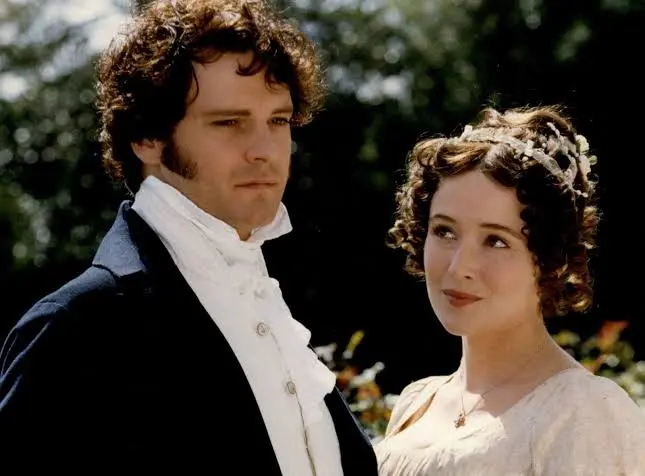
To many modern readers and critics the great blot on the book is the author’s portrayal of Darcy. To all appearances, there are two Darcys that we meet in Pride and Prejudice the Darcy in the first half of the novel proud, cold, haughty and unfriendly and the Darcy of the second half-warm, loving, considerate, a kind master, hospitable and eager to please. This seemingly irreconcilable aspects of Darcy’s character is often taken to be a failure on the part of Jane Austen’s characterization. Jane Austen was in her early twenties when she wrote Pride and Prejudice and hence her failure in delineating Darcy’s character is attributed to her immaturity. Secondly, some critics believe that Jane Austen was generally unsuccessful in drawing credible male characters. However, opinion is divided and many believe that Darcy is a credible and convincing character and what appears as irreconcilable aspects of his character is simply a result of our having misread Darcy’s character along with Elizabeth.
Darcy’s Pride
Definitely, Darcy is proud in the beginning. His behaviour on his first appearance, is so appallingly insolent that few readers can entirely forgive him for it, and it is doubtful if Meryton could ever have learnt to make excuses for a man who slighted the whole neighbourhood, refusing to dance and declaring audibly that none of the women present were handsome enough for him. He is contemptuous of the people below him in social status and feels no need to conceal his contempt. He acknowledges his own ‘pride and conceit’ and his selfishness in caring for none beyond his own family circle and thinking meanly of all the rest of the world. At Netherfield he tells Elizabeth, “My opinion once lost is lost for ever”. And finally his proposal to Elizabeth at Hunsford parsonage is more eloquent on the subject of pride than of tenderness.
Darcy’s Superior Moral Nature
Thus, Darcy is definitely proud in the beginning. But some of his coldness and reserve may be at least attributed to his inordinate shyness and his awkwardness in the company of strangers at a large ball. Also Darcy’s pride is to be seen as something other than mere snobbishness. As Catherine Lucas points out Darcy does have much to be proud of and his pride is the result of a genuinely aristocratic consciousness of merit. As the book proceeds, we come to discover the truth about Darcy. He is complex, sensitive and intelligent and -on the whole he is superior to all the other males in the story, including Bingley. He is not morally blind either and recognizes the vulgarity and ill-manners of the Bingley sisters and is as much embarrassed by Lady Catherine’s behaviour as he had been by Mrs. Bennet’s vulgarity. He realizes that good manners are not the monopoly of any particular class and observes how cultured and brilliant Elizabeth is. It is interesting to note, also, something that is too often overlooked: Darcy very early in the book turns his attention to Elizabeth and Jane Austen gives enough pointers to show Darcy’s increasing attraction towards Elizabeth. The astute reader is not, therefore, misled, as Elizabeth is, about Darcy’s true feelings and so the change that comes with his letter seems less extreme and less incomprehensible.
His rejection by Elizabeth humbles him completely and it, forces him ‘to cast a fresh look on his character’. It is credible that Darcy under the influence of his great love for Elizabeth, changes to a more warm and humble person. At his own home in Pemberley he is not shy or reserved and is the perfect gentleman, inviting the Gardiners and introducing his sister Georgiana to Elizabeth. His love for Elizabeth is so great that he overcomes his disgust for Wickham and plays a prominent role in getting Wickham to marry Lydia, thus saving the Bennet family from social disgrace. This raises him in Elizabeth’s esteem as well as ours.
Darcy’s Honesty and Integrity
Another important aspect of Darcy’s character is his honesty and integrity. Unlike Wickham, who is charming in speech but morally corrupt, Darcy may appear harsh, yet he never deliberately deceives anyone. Even in his first proposal to Elizabeth, though his manner is arrogant and offensive, he speaks with complete sincerity. His letter to Elizabeth after her rejection further reveals his truthful nature. In that letter, Darcy does not attempt to flatter Elizabeth or defend himself emotionally; rather, he calmly presents facts regarding Wickham and Jane Bingley’s affair. Through this, we come to know of his moral strength that gradually changes Elizabeth’s opinion about him.
Darcy as a Caring Brother
Darcy’s relationship with Georgiana also throws light upon his affectionate and responsible nature. As a brother, he is deeply caring and protective. He shows concern for Georgiana after Wickham’s attempted elopement. Unlike many aristocratic men of the period, Darcy does not treat his sister merely as a family obligation; instead, he acts with tenderness and genuine concern for her happiness. Jane Austen subtly uses Georgiana’s admiration for her brother to counter the negative impression created earlier in the novel.
Darcy’s Moral Transformation
However, Darcy’s transformation is significant because it is inward and moral rather than superficial. He does not suddenly become a different person; rather, he learns humility and self-awareness. Elizabeth’s criticism forces him to recognize the defects of his pride and aristocratic arrogance. His later behaviour towards the Gardiners, whom he knows to be socially inferior, clearly shows this moral growth. The change in Darcy is therefore psychological and ethical, making his development one of the most convincing aspects of the novel.
Darcy as Austen’s Ideal Gentleman
Darcy also represents Jane Austen’s ideal of a true gentleman. In Austen’s view, gentility is not determined merely by wealth, rank, or social position, but by conduct, responsibility, and consideration for others. Though Darcy possesses immense wealth and status, these qualities alone do not make him admirable. He becomes worthy of Elizabeth only after he learns sympathy, humility, and respect for others. Thus, Austen redefines the concept of a gentleman through Darcy’s gradual moral refinement.
Conclusion
Darcy exists only in scenes with Elizabeth, and probably a scene or two more with his aunt would have established him more firmly. His extreme insolence at the Meryton ball may seem inconsistent with his later warm behaviour, but in thinking so, the reader is like Elizabeth Bennet being prejudiced by first impressions. His solidity of temperament is implied in his affection for Bingley, and his keen perception is evident in his dislike of the Bingley sisters and Lady Catherine and his attraction towards Elizabeth. Darcy is real and convincing, all the more so because he changes gradually under the influence of love and not overnight. Noteworthy is that the reader sees Darcy through Elizabeth’s point of view, and that point of view is obviously prejudiced and blind to all his positive attributes. If we are not conscious of his good qualities or fail to see the changes in him, it is because we are looking at him through Elizabeth’s eyes. Thus, what appears to be an inconsistency in his character merely stems from the point of view in the novel. We may conclude, therefore, that Darcy is a convincing and credible character, and his change from cold reserve to warm friendliness is justifiable.
Source Consulted:
S. Sen, Pride and Prejudice: Critical Analysis (adapted and expanded for educational purposes).
Also read: Importance of Proviso scene in The Way of the World by William Congreve