
What the hammer? what the chain?
In what furnace was thy brain?
What the anvil? what dread grasp
Dare its deadly terrors clasp?
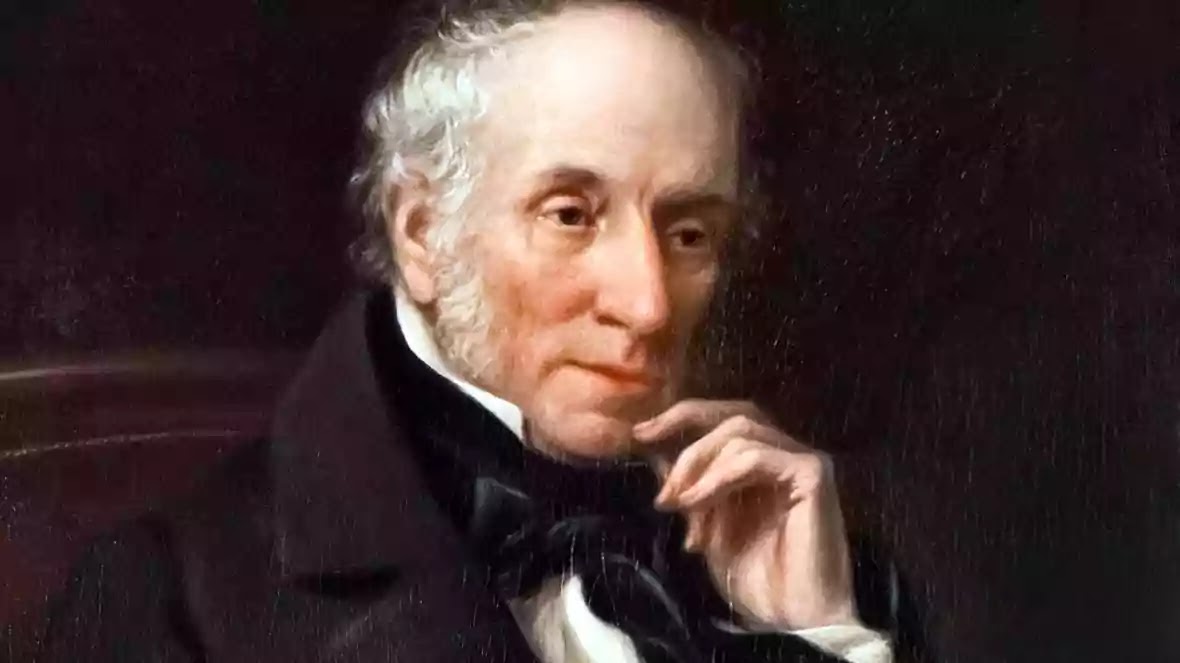
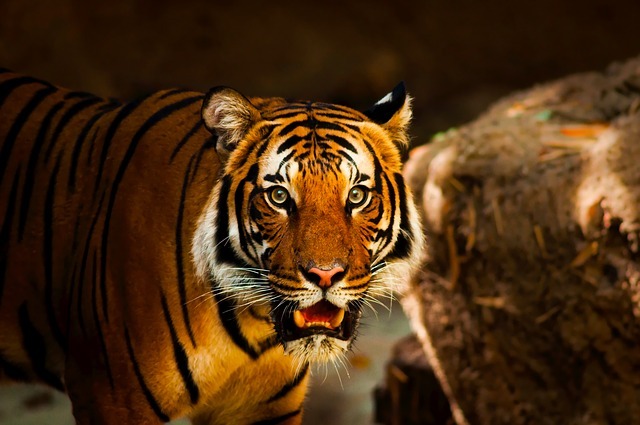
This stanza is extracted from the poem The Tyger by William Blake. It records the poet’s mystic vision about God’s creation of the tiger. Through a child’s wondering interrogation, the poet indicates here the mystic and majestic creation of God and comments particularly on the instruments used by Him in the making of the terrible creature, the tiger.
The tiger is no lamb. In the child’s naive feeling, its creation requires the manifestation of God’s supreme power and exertion. This fierce beast must have been made by means of instruments that are rare and powerful. Through the innocent child’s romantic imagination, the poet asserts that the chain, the anvil, the hammer, and the furnace which are employed in the creation of the tiger must be of a different stature and strength. The child wonders to know the nature of those instruments. Moreover, the poet finely suggests his feeling of astonishment at the strength of the hand that must have held those instruments and compressed the dread of the tiger together. That must be something supreme, unearthly, and unimaginable in the Creator.
Another important aspect of this stanza is its rich use of symbolism and rhetorical questions. The repeated questions—”What the hammer? what the chain? / In what furnace was thy brain?”—are not meant to elicit direct answers; rather, they express the speaker’s wonder at the mystery of creation. The hammer, chain, anvil, and furnace symbolise the tools of a divine blacksmith, suggesting that the Creator possesses extraordinary skill, strength, and power. These images evoke the atmosphere of a forge, where something mighty and formidable is fashioned with immense energy and precision.
One of the central themes of The Tyger is reflected through these lines that is the coexistence of beauty and terror in the universe. Blake does not portray the tiger merely as a savage beast but as a magnificent work of divine craftsmanship. Through his focus on the frightening power required to create such a creature, the poet invites readers to contemplate the nature of God, who is capable of creating both the gentle lamb and the fierce tiger. This contrast raises deep philosophical and religious questions about innocence, experience, good, and evil.
From a literary perspective, the stanza is notable for its vivid imagery, rhythmic movement, and musical quality. Blake’s use of strong visual images associated with the blacksmith’s workshop enhances the grandeur of the Creator’s work, while the repeated interrogative structure creates suspense and reinforces the sense of awe. The simplicity of the language, combined with its symbolic depth, exemplifies Blake’s distinctive poetic style, in which childlike innocence conveys profound spiritual and philosophical truths.
The entire stanza bears out Blake’s romantic vision that is enlivened with a strange combination of simplicity and mysticism. God’s creative potency, variety, and mysticism are here particularly emphasised. Blake’s absolute, unquestioning faith in God’s creativity is clearly marked here, although his approach to the mystery of His creation, through a child’s simple interrogation, has a sort of novelty that is basically plain and straight.
Also read: What Is Deus ex Machina? Definition, Features, Origin and Examples