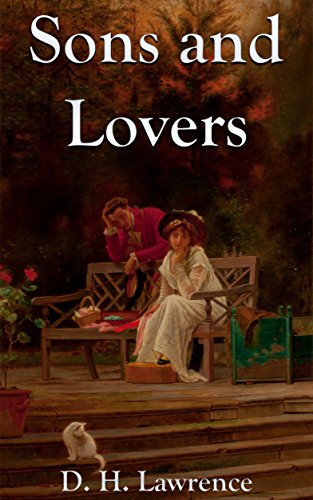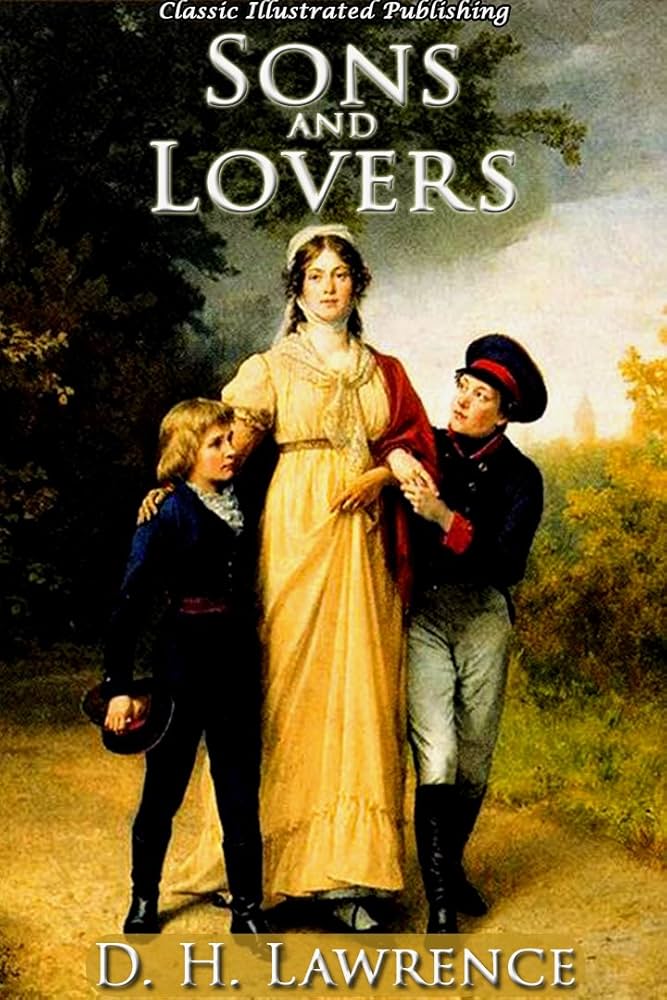

D. H. Lawrence makes extensive use of symbols in his famous novel “Sons and Lovers”. Symbolism means investing a remark, a situation, an incident, an object, or even a person with a double significance or a twofold meaning. One meaning lies on the surface and is easily understood by the reader, while the other is symbolic and hidden beneath the narrative, becoming apparent only through careful interpretation. Lawrence probes deep into the consciousness of his characters through his skilful use of symbols. A proper understanding of these symbols leads to a deeper appreciation of the novel and its psychological complexity. Symbolism is, therefore, an essential feature of Lawrence’s artistic technique.
For a better understanding of “Sons and Lovers”, an appreciation of its symbols is indispensable. Lawrence differs from the French Symbolists in that his symbols arise naturally from life and experience rather than existing merely as decorative devices. His symbols illuminate human relationships, psychological conflicts, and the struggle between instinct and intellect.
The Ash Tree
The ash tree is symbolic of the dark, sinister, and mysterious forces of nature that foreshadow tragedy in human life. It reflects the disharmony between Mr. and Mrs. Morel and the unhealthy effects of their troubled marriage on their children. The eerie sound of the ash tree suggests the inner terror, anxiety, and emotional suffering experienced by the Morel children. It also foretells the doom that gradually overtakes the Morel family.
The Hens
The pecking of the hens at the hands of Paul and Miriam is another significant symbol. It represents the sexually frustrated relationship that eventually develops between them. Miriam’s hesitation to allow the hen to peck her hand symbolises her fear of physical intimacy and her sexual inhibition. Although Paul assures her that the pecking does not hurt, Miriam remains reluctant. This incident foreshadows the failure of their physical relationship, as Miriam cannot satisfy Paul’s desire for complete emotional and sexual fulfilment.
The Swing
The swing at Willey Farm symbolises the fluctuating nature of Paul and Miriam’s relationship. Like the backward and forward movement of the swing, Paul’s emotions constantly shift between love and resentment. He is deeply attracted to Miriam’s spirituality but simultaneously frustrated by her inability to respond to his physical desires. The swing also symbolises their inability to maintain a stable emotional relationship. Miriam’s failure to reach the same height on the swing as Paul further symbolises her inability to attain the same level of physical passion, treating love more as a sacred duty than a natural expression of desire.
Flowers
Flowers constitute one of the most important symbols in the novel. Lawrence uses flowers to reveal the attitudes of different characters toward life and love. Paul loves flowers while respecting their independent existence, symbolising his appreciation for life without attempting to possess or dominate it. Mrs. Morel’s love of flowers reflects her vitality, refinement, and emotional warmth. In contrast, Miriam treats flowers almost possessively, attempting to absorb their spiritual essence rather than simply appreciating their beauty. Lawrence suggests that while flowers symbolise life for Paul, they become symbols of excessive spirituality and emotional possessiveness in Miriam’s hands.
The scene in which Paul, Miriam, and Clara encounter flowers is especially symbolic. Miriam picks flowers with exaggerated reverence, Paul with genuine affection, and Clara initially leaves them untouched, respecting their life. Later, after her emotional awakening through Paul, Clara also begins to appreciate flowers naturally. Thus, flowers symbolise different approaches to love, beauty, and human relationships.
The Coal Mine
The coal mine is one of the central symbols in Sons and Lovers. It represents industrial civilisation, physical labour, and the harsh realities of working-class existence. For Walter Morel, the mine is a source of economic survival but also of physical exhaustion and emotional frustration. It symbolises the oppressive industrial world that destroys individuality and family harmony. The darkness of the mine also mirrors the emotional darkness that pervades the Morel household. Paul’s artistic ambitions stand in sharp contrast to the mine, symbolising his desire to escape this oppressive environment.
Nature
Nature functions as a symbol of vitality, freedom, and emotional healing. Lawrence repeatedly contrasts the polluted mining town with the beauty of fields, woods, rivers, and open countryside. Whenever Paul is emotionally disturbed, he finds comfort and renewal in nature. The natural world represents instinctive living, harmony, and the life force that Lawrence believed modern industrial society had weakened. Nature becomes a refuge where Paul experiences peace, creativity, and self-discovery.
Light and Darkness
Lawrence frequently employs the contrast between light and darkness to reflect his characters’ emotional and psychological conditions. Light symbolises hope, love, joy, and spiritual awakening, whereas darkness signifies sorrow, loneliness, confusion, and death. Bright natural settings often accompany Paul’s happiest moments with Miriam or his artistic inspiration, while darkness surrounds scenes of domestic conflict, illness, and emotional suffering. The recurring opposition between light and darkness reflects the novel’s broader conflict between life and despair.
Painting and Art
Paul’s painting symbolises his creative identity and his longing for self-expression. Art provides him with an escape from the suffocating emotional atmosphere created by his mother’s possessiveness and his parents’ unhappy marriage. Through painting, Paul seeks individuality and emotional independence. His artistic talent also distinguishes him from his father, whose life is confined to the harsh physical labour of the coal mine. Art therefore symbolises imagination, freedom, and personal fulfilment.
The Railway and Journey
Journeys and railway travel symbolise transition, growth, and the search for independence. Paul’s movements between home, Nottingham, Willey Farm, and other places reflect different stages of his emotional development. However, despite these physical journeys, he remains psychologically attached to his mother. Lawrence suggests that true freedom cannot be achieved merely through physical movement; emotional liberation is equally necessary.
The Chrysanthemums
Chrysanthemums appear as symbols of both beauty and mortality. Their rich colours suggest vitality and emotional intensity, while their association with the later part of the year hints at decline and death. Lawrence uses these flowers to reinforce the novel’s recurring idea that love, beauty, and life are inseparable from loss and mortality.
The Moon
The moon frequently appears during Paul’s meetings with Miriam and symbolises mystery, spirituality, and romantic idealism. Moonlight creates an atmosphere of emotional intimacy and quiet reflection rather than physical passion. It reinforces Miriam’s spiritual conception of love while simultaneously highlighting Paul’s internal conflict between spiritual affection and physical desire.
Mrs. Morel’s Death
The death of Mrs. Morel is one of the most profound symbols in the novel. Her prolonged illness and painful death symbolise the inevitable breaking of the emotional bond that has dominated Paul’s life. Paul himself administers the final overdose of morphine, symbolically taking the necessary step toward adulthood. By ending his mother’s suffering, he attempts to free himself from her overwhelming emotional influence. Yet Lawrence presents this freedom ironically. Although Mrs. Morel dies physically, her emotional hold over Paul continues, leaving him psychologically isolated and uncertain about his future. Her death therefore symbolises both liberation and emotional emptiness.
The Home
The Morel home symbolises both security and imprisonment. It is the place where Paul receives love, affection, and intellectual encouragement from his mother, yet it is also where he becomes emotionally dependent upon her. The home nurtures his personality while simultaneously restricting his emotional independence. Thus, it symbolises the complex nature of maternal love, which can both protect and imprison.
Clara as a Symbol
Clara Dawes functions as an important symbolic figure in the novel. Her mature beauty introduces an element of sensuality absent from Paul’s relationship with Miriam. She symbolises physical passion, sexual fulfilment, and feminine attractiveness. Lawrence describes her fair complexion, graceful figure, and powerful sexuality to emphasise her role as the embodiment of physical love. Clara stands as the opposite of Miriam, who represents spirituality and emotional idealism. Through Clara, Lawrence explores the importance of physical intimacy in human relationships. However, he also demonstrates that physical attraction alone cannot ensure lasting happiness, just as excessive spirituality alone cannot sustain love. By presenting Miriam and Clara as opposing forces, Lawrence suggests that a successful relationship requires a harmonious balance between body and soul.
Conclusion
The symbolism in Sons and Lovers is deeply integrated into the novel’s psychological structure and thematic richness. Lawrence transforms ordinary objects, natural elements, landscapes, and characters into symbols that reveal the hidden emotions, desires, and conflicts of his characters. The ash tree, flowers, hens, swing, coal mine, nature, light and darkness, painting, railway journeys, chrysanthemums, the moon, the Morel home, Mrs. Morel’s death, and Clara all contribute to the novel’s exploration of love, family, sexuality, industrialisation, emotional dependence, and the search for identity. Through these carefully crafted symbols, Lawrence elevates Sons and Lovers from a simple family novel to a profound psychological and modernist masterpiece, making symbolism one of its most enduring artistic achievements.
You may also like The Oedipus Complex in D.H. Lawrence’s Sons and Lovers: A Psychoanalytic Analysis