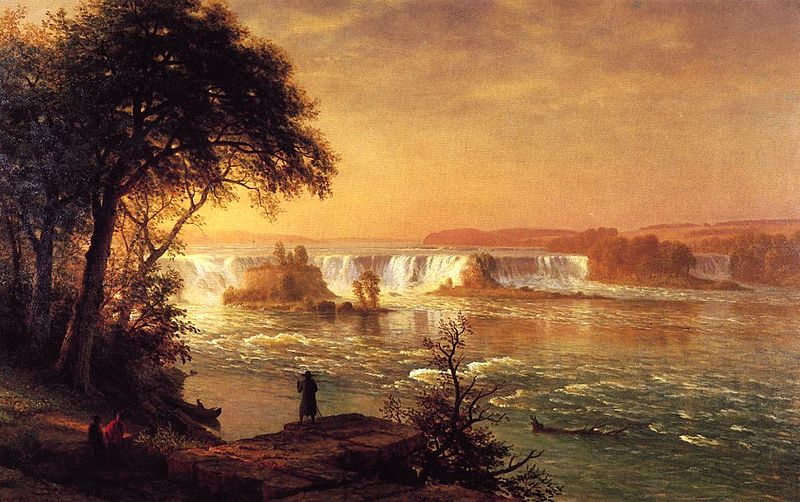

The word ‘Lagoon’ (from Spanish ‘laguna’) means a ‘stretch of saltwater parted from the sea by the low sandbank’. It implies the enclosed sea-water, within the ridge of some rock or sand. This is quite common in Asiatic countries and particularly in the Malayan region.
Conrad’s story has the precise title The Lagoon. This is mainly because of the Malayan setting of the story. The entire theme is set against a gloomy, stagnant, and weird-looking lagoon. The main event centers around this lagoon, for the hut of Arsat, the hero of the story, is shown situated by its shallow side. Here, by the side of the abandoned lagoon, Arsat nurtured his love and lived with his Diamelen. Since his own fortunate escape and his brother’s unfortunate death, they had been here together. The story opens well when the white man entered the lagoon to pass the night in Arsat’s place. Here he heard the latter’s story of love and repentance. The tragedy of the tale- Diamelen’s death and Arsat’s realization of the stark illusion of the world– was enacted on the lagoon. Indeed, the lagoon is closely related to the thematic aspect of the story as an appropriate background.
And the lagoon is appropriate to the tone of the story, too. Conrad’s story has a deeply tragic note, a voice of despair, rather than an echo from the grave. It is all about human frustration and the utter illusion of the world in which there is ‘no light and no peace’, ‘but there is death-death for many’. The very appearance of the lagoon–its gloom and ghostly aspect-seems to be in keeping with the tragic theme of the story. The morbid atmosphere that haunts the lagoon pervades the story all over. This may be illustrated from the description of the lagoon, as the white man with his men moved through it:
The men poled in the shoaling water. The creek broadened, opening out into a wide sweep of a stagnant lagoon. The forests receded from the marshy bank, leaving a level of strip of bright green, reedy grass to frame the reflected blueness of the sky.
Again, the story ends with the departure of the white man from the lagoon, as Arsat stood all by himself in the searching sunlight of the lagoon.
Before the sampan passed out of the lagoon into the creek he lifted his eyes. Arsat had not moved. He stood in the scorching sunshine, and he looked beyond the great light of a cloudless day into the darkness of a world of illusions.
There is yet another point from which The Lagoon seems appropriate as a title. The lagoon implies a detached stretch of water from the main. The hero of the story, Arsat, too, led a detached, isolated life in an old hut by the side of the lagoon. He wanted to live in love away from the main current of the world around him. Like the lagoon, he remained alone after the death of his Diamelen, ‘in the darkness of a world of illusion’.
The lagoon also symbolizes the stagnation of Arsat’s life and his inability to escape the memories of his past. The stillness of the water reflects his psychological condition, as he remains haunted by the guilt of abandoning his brother to secure his happiness with Diamelen. Although he has physically escaped from the dangers of the outside world, he cannot free himself from his troubled conscience. The stagnant water becomes a symbol of his emotional imprisonment. Just as the lagoon remains separated from the flowing river, Arsat remains confined within the memories of his past. The natural setting consequently acquires a psychological significance and reflects the protagonist’s inner suffering and moral conflict.
The lagoon becomes a silent witness to the conflict between love and fraternal duty. Arsat’s passionate attachment to Diamelen leads him to abandon his brother at a crucial moment. His brother sacrifices his life to protect the lovers, while Arsat chooses personal happiness over familial responsibility. The isolated lagoon initially offers the lovers a refuge from the hostile world, but their happiness proves temporary. After Diamelen’s death, Arsat realizes the futility of his sacrifice. His painful confession, “I loved her more than I loved my brother,” reveals the moral dilemma underlying the tragedy. Thus, the lagoon represents not merely a shelter for forbidden love but also a place of remorse, suffering, and eventual disillusionment.
Another significant aspect of the title lies in Conrad’s use of the contrast between light and darkness. The lagoon, surrounded by dense forests, creates an atmosphere of mystery and uncertainty. The darkness associated with the place reflects Arsat’s despair, while the sunlight at the end of the story ironically fails to illuminate his troubled mind. Although the natural world awakens with the rising sun, Arsat remains overwhelmed by grief and guilt. His declaration, “There is no light and no peace in the world,” emphasizes his spiritual desolation. The contrast between the external brightness and Arsat’s internal darkness intensifies the tragic significance of the lagoon. It becomes a symbolic landscape where the beauty of nature stands in sharp contrast to human suffering.
The title of the story is related to the environment as well as the events in the hero’s life. It has, in fact, a symbolic suggestiveness, an environmental effect, and well bear out the brooding, gloomy spirit of this tragic tale of life, love, and death.
Also read: Role and Significance of Viola’s Disguise in Shakespeare’s Twelfth Night