
- Who is the poet of A River?
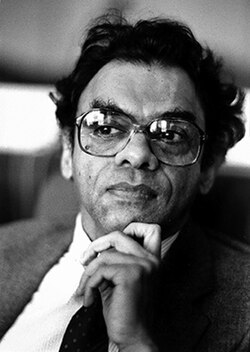
A. Nissim Ezekiel
B. A.K. Ramanujan
C. Kamala Das
D. Jayanta Mahapatra
Answer: B. A.K. Ramanujan
Explanation: A River is one of Ramanujan’s most anthologised poems and appears in his collection The Striders (1966).
- Which river is described in the poem?
A. Ganga
B. Yamuna
C. Vaigai
D. Godavari
Answer: C. Vaigai
Explanation: The poem is set in Madurai and refers to the Vaigai River, which alternates between drought and flood.
- The city mentioned in the poem is:
A. Chennai
B. Madurai
C. Mysore
D. Kolkata
Answer: B. Madurai
Explanation: Madurai is an ancient temple city in Tamil Nadu and Ramanujan uses this river as the backdrop of his poem.
- A River is primarily a criticism of:
A. Colonial rule
B. Religious rituals
C. Traditional and modern poets’ lack of human concern
D. Industrialization
Answer: C. Traditional and modern poets’ lack of human concern
Explanation: Ramanujan criticises poets for repeatedly describing floods while ignoring the suffering of ordinary people.
- During summer, the river appears:
A. Full of water
B. Frozen
C. Dry and reduced to a trickle
D. Polluted
Answer: C. Dry and reduced to a trickle
Explanation: The poet describes the riverbed as almost dry, exposing sandbanks and stones.
- What becomes visible when the river dries up?
A. Fish
B. Boats
C. Sand ribs and stones
D. Trees
Answer: C. Sand ribs and stones
Explanation: The exposed riverbed reveals the river’s “sand ribs” and stones, and emphasises drought.
- Which literary device is used in the phrase “the river has water enough”?
A. Hyperbole
B. Irony
C. Simile
D. Pun
Answer: B. Irony
Explanation: The river has plenty of water only during destructive floods, highlighting nature’s imbalance.
- What do the poets traditionally celebrate?
A. Human resilience
B. The beauty of floods
C. Political events
D. Agricultural prosperity
Answer: B. The beauty of floods
Explanation: Traditional poets glorify floods without discussing their devastating consequences.
- What is the main theme of the poem?
A. Patriotism
B. Environmental conservation
C. Human suffering ignored by artistic tradition
D. Religious devotion
Answer: C. Human suffering ignored by artistic tradition
Explanation: Ramanujan argues that poets focus on spectacle rather than the lives affected by disaster.
- What was carried away in the flood?
A. A temple
B. A pregnant woman carrying twins
C. A king’s palace
D. A farmer’s field
Answer: B. A pregnant woman and her unborn child
Explanation: The image of the pregnant woman and her unborn twins in the poem symbolises the human tragedy ignored by poets.
- The phrase “pregnant woman” is significant because it symbolises:
A. Wealth
B. Future generations and lost life
C. Religious faith
D. Political power
Answer: B. Future generations and lost life
Explanation: The death of the woman and her child represents the destruction of both present and future life.
- Which poetic movement is A.K. Ramanujan associated with?
A. Romanticism
B. Modern Indian English Poetry
C. Victorian Poetry
D. Metaphysical Poetry
Answer: B. Modern Indian English Poetry
Explanation: Ramanujan is a major figure in modern Indian English poetry known for irony and social critique.
- The tone of A River is:
A. Celebratory
B. Satirical and critical
C. Joyful
D. Nostalgic
Answer: B. Satirical and critical
Explanation: The poet satirises both ancient and modern poets for their insensitivity.
- What distinction does Ramanujan make between old and new poets?
A. Their language differs.
B. Their religion differs.
C. There is little difference in their treatment of floods.
D. New poets are more compassionate.
Answer: C. There is little difference in their treatment of floods.
Explanation: Ramanujan suggests that both old and new poets focus on the flood itself rather than human suffering.
- Why is A River considered a modern poem?
A. It follows epic conventions.
B. It questions accepted literary traditions.
C. It praises mythology.
D. It uses archaic language.
Answer: B. It questions accepted literary traditions.
Explanation: The poem challenges conventional poetic subjects and emphasises neglected social realities.
Also read What is Ode, Its Definitions, Characteristics, Types and Examples