
The Woodifield episode forms one of the two parts of the story, The Fly by Katherine Mansfield. In one of the shortest stories, it is the shorter episode. The episode revolves around the visit of an old man, Mr. Woodifield, to his friend and former associate, the Boss, and their conversation about the grave of the Boss’s son, who was killed in the First World War.
The Visit of Mr. Woodifield
Mr. Woodifield is an elderly man, five years younger than the Boss, but illness has made him physically weak and mentally feeble. Since suffering a stroke, he has been confined largely to his home and is permitted to go out only on Tuesdays. This weekly outing allows him to revisit his old life by meeting friends and acquaintances.
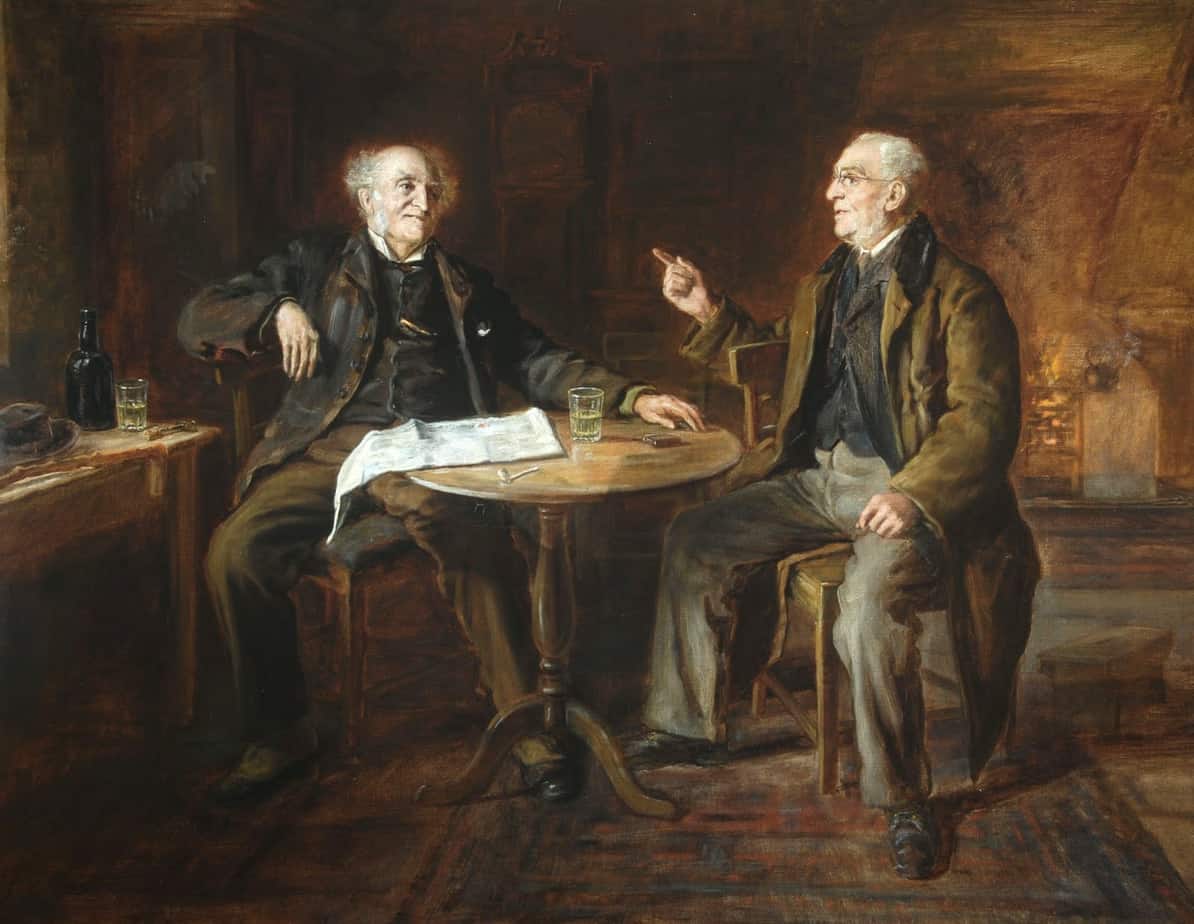
On one such Tuesday, Woodifield visits the Boss in his office. Sitting comfortably in the luxurious room, he admires the new furniture, carpets, and other arrangements. The Boss takes pride in these possessions and enjoys Woodifield’s admiration. He feels superior to his visitor because he appears healthier, wealthier, and more successful.
However, Woodifield has come with a purpose. Due to his failing memory, he initially forgets what he intended to say. After being offered a glass of whisky by the Boss, his memory returns. He recalls that his daughters had recently visited the grave of the Boss’s son in France and were impressed by the beautiful maintenance of the cemetery. He describes the flowers, the neat pathways, and even mentions how his daughters were overcharged at a nearby hotel. Without realising the emotional effect of his words, he casually discusses matters that touch the deepest wound in the Boss’s heart.
Mr. Woodifield’s remarks have little emotional effect on himself, but they profoundly affect the Boss. Once Woodifield leaves, the Boss is left alone with the painful memories of his dead son.
Character Analysis of Woodifield
The Woodifield episode serves to reveal much about the old man’s character. He is feeble, talkative, forgetful, and restricted by age and illness. He appears fascinated by outward comforts and luxuries and is deeply impressed by the Boss’s office. His admiration reflects his inability to look beyond material appearances.
Woodifield’s failing memory is another important aspect of his character. He struggles to remember the purpose of his visit and requires a drink to revive his recollection. His mental decline symbolises the effects of old age and physical deterioration. Despite having lost a son in the war himself, he speaks about graves and death with remarkable detachment. He seems more interested in the appearance of the cemetery and the experiences of his daughters than in the tragedy that lies behind the graves.
The episode also introduces the important theme of memory. Ironically, while Woodifield struggles to remember simple things, he becomes the catalyst for reviving memories in the Boss. Mansfield shows how memories may remain buried for years but can suddenly return through an unexpected reminder.
Woodifield and the Boss: A Significant Contrast
Woodifield serves as an effective foil to the Boss. Both men are elderly fathers who have lost their sons in the war, yet they respond to their grief in very different ways. Woodifield appears to have accepted his loss and discusses it in a calm and casual manner. The Boss, however, has never truly recovered from the death of his son. Although he has buried his sorrow beneath material success, professional authority, and daily routine, the pain remains alive within him. The contrast between the two men highlights the different ways in which human beings cope with suffering and bereavement. The Boss’s apparent strength is revealed to be fragile. Beneath his confident exterior lies a man haunted by grief. Woodifield’s visit exposes this hidden emotional vulnerability and prepares the reader for the events that follow.
The Role of Grief, Memory, and War in the Episode
The Woodifield episode has a significance far greater than a simple conversation between two old friends. Its primary function is to awaken the sorrow buried deep within the Boss’s heart. The mention of his son’s grave forces him to confront a loss that he has tried to suppress for six years.
The episode also reminds readers of the devastating consequences of the First World War. Both Woodifield and the Boss belong to a generation of parents whose lives were shattered by the conflict. The carefully maintained graves in France stand as silent reminders of the enormous human cost of war. Although the war is over, its emotional scars remain. Through this brief conversation, Mansfield demonstrates that grief does not disappear with time. It may become hidden beneath routine and success, but it continues to exist beneath the surface. The Boss’s reaction illustrates the lasting psychological impact of personal loss.
How the Woodifield Episode Leads to the Fly Symbolism
Perhaps the greatest significance of the Woodifield episode lies in its preparation for the famous fly episode that follows. Without Woodifield’s visit, the symbolic significance of the fly would be considerably weakened.
After Woodifield leaves, the Boss attempts to relieve his grief and shed tears for his son. However, he discovers that he can no longer summon the emotions that once overwhelmed him. At this moment, his attention turns to a fly struggling in an inkpot. The Boss repeatedly drops ink on the fly and watches it fight for survival.
This scene acquires deeper meaning because Woodifield has already reminded the Boss of his son’s death. The fly becomes a symbol of human beings struggling against suffering, fate, and inevitable destruction. The Boss’s treatment of the fly reflects his own frustration, helplessness, and unconscious anger at the forces that took away his son.
Thus, the Woodifield episode functions as an essential introduction to the central symbolism of the story. It creates the emotional atmosphere necessary for understanding the tragic implications of the fly episode.
Conclusion
Thus, the Woodifield episode is not merely an introductory incident but an integral part of the structure and meaning of The Fly. It reveals the character of Woodifield, highlights the contrast between him and the Boss, introduces the themes of memory, ageing, grief, and war, and prepares the reader for the symbolic fly episode. Through this seemingly ordinary conversation, Katherine Mansfield exposes the hidden sorrow of the Boss and deepens the story’s exploration of human suffering, mortality, and the lasting effects of loss.
Read also How Does John Dryden Justify Tragi-Comedy in An Essay of Dramatic Poesy?