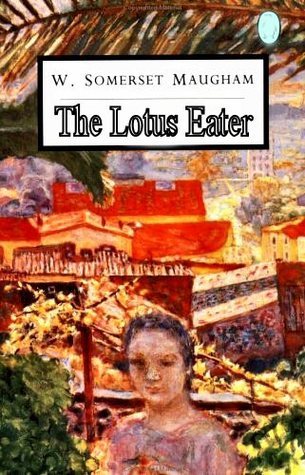

The quoted words from W. Somerset Maugham’s short story The Lotus Eaters are spoken by Thomas Wilson, the central character of the story, during his conversation with the narrator. Through these words, Wilson explains the unusual decision that changed the course of his life: he gave up a secure and respectable career in England to spend his remaining years in Capri, enjoying a life of leisure, beauty, and freedom from worldly responsibilities.
Wilson had spent many years working in a commercial house, a branch of a bank. There he led a careful, disciplined, and unimaginative life. Although his life was financially secure, it lacked excitement, beauty, and emotional fulfillment. During a visit to Capri, he became deeply attracted to the island’s sunlit landscape, tranquil atmosphere, and leisurely way of life. The experience awakened in him a longing for happiness that his routine profession could never satisfy.
After realising that his savings were limited, Wilson calculated that he could provide himself with an annuity for only twenty-five years. Instead of treating this limitation as a problem, he accepted it with calmness. To him, twenty-five years of genuine happiness seemed far more valuable than a longer life spent in drudgery, anxiety, and monotonous labour. Wilson’s decision was not the result of carelessness or ignorance. He fully understood that after twenty-five years he might be left without money, security, or social support. Nevertheless, he deliberately chose a life devoted to pleasure, contemplation, and freedom from work. His willingness to risk future hardship for present happiness makes him a strikingly unconventional character.
The quotation also reflects the symbolic meaning of the title The Lotus Eater. In Greek mythology, the lotus eaters were people who consumed the lotus flower and forgot their duties, ambitions, and responsibilities. Similarly, Wilson becomes enchanted by the beauty and ease of Capri, gradually withdrawing from the active world of work and practical concerns. The island represents a seductive escape from the pressures of modern civilisation.
Maugham uses Wilson’s words to raise an important question: Is it better to live safely and conventionally, or to pursue happiness even at considerable risk? Wilson chooses the second path. His choice appears romantic and courageous, but it is also dangerous, because a life built entirely on leisure may eventually lead to dependence, weakness, and loss of dignity.
Also read: Explain the first stanza of the poem Dylan Thomas’s poem “A Refusal to Mourn the Death”