
Interludes were particularly popular in England in the 15th and 16th c., and especially between 1550 and 1580. In the Annals of English Drama 975-1700, Harbage lists ninety or so plays that could qualify as interludes.
Characteristics of Interlude
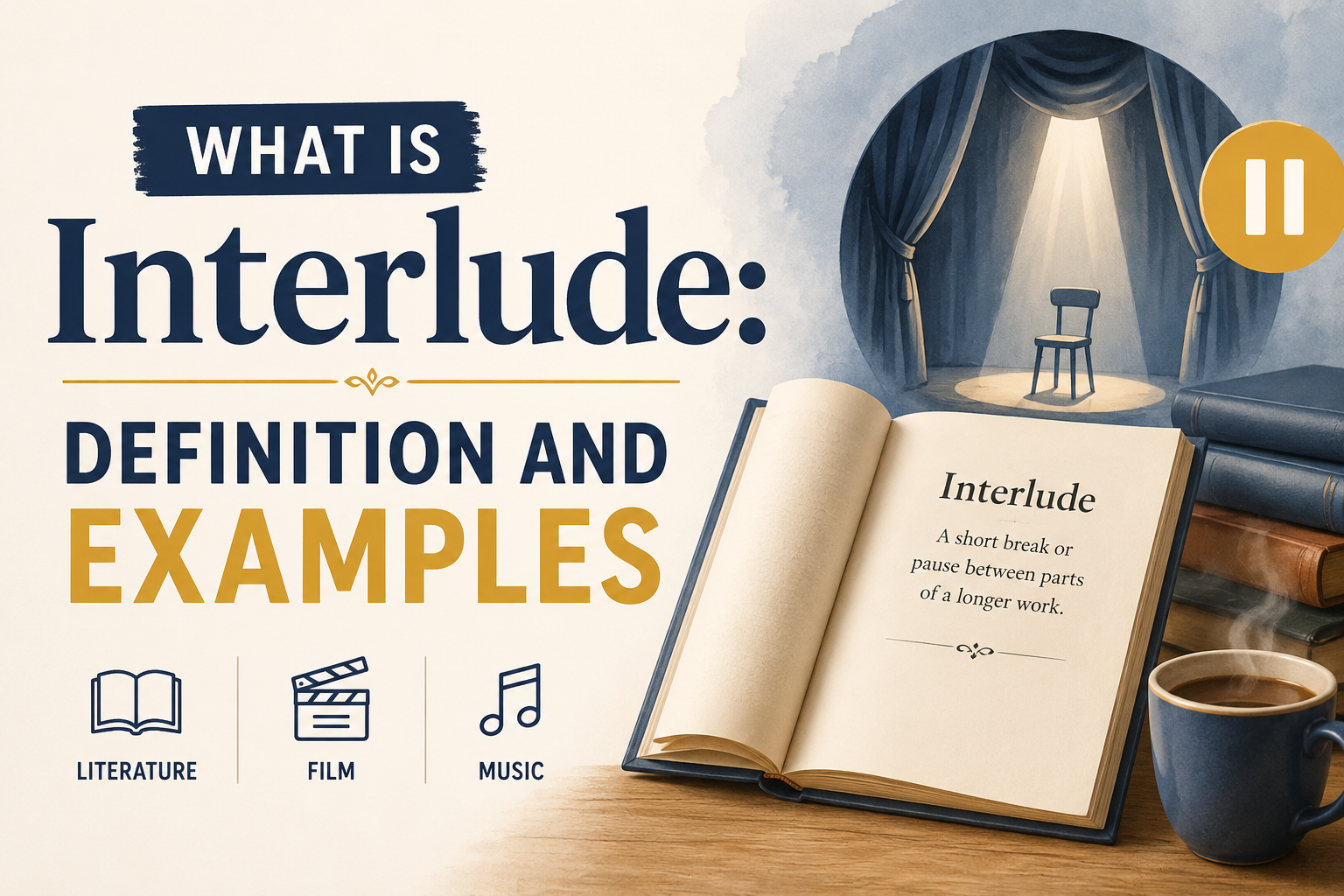
Interludes are short dramatic performances presented between the acts of a play or during social gatherings. They are usually brief, simple in structure, and written in conversational language so that audiences can easily understand and enjoy them. One of their main features is the combination of entertainment and moral instruction. Many interludes use humour, satire, wit, and farcical situations to amuse the audience while also provide ethical or social lessons.
Interludes bridge the gap between the medieval Mystery and Morality plays and the secular drama of the Renaissance. While earlier plays mainly focused on religious themes, interludes gradually introduced realistic characters, human emotions, and worldly concerns. Because of this, they helped prepare the foundation for the later development of Elizabethan drama.
Interludes were also influenced by Renaissance Humanism. They often focused on human behaviour, social criticism, education, greed, pride, and hypocrisy rather than solely on religious salvation. In addition, their staging was generally simple, as they were performed in banquet halls, noble households, universities, and Inns of Court without elaborate scenery or stage machinery. Their simplicity, humour, and lively dialogue made them highly popular among audiences in fifteenth- and sixteenth-century England.
Examples:
One of the earliest instances is the Interludium de Clerico et Puella (1290-1335). Some of the most notable examples (some of these are also classified as Moralities) should include The Pride of Life (c. 1300-25); Mankind (1465-70); The Castell of Perseverance (1400-25); Wisdom (1460–63); Medwall’s Fulgens and Lucrece (1490–1500); Youth (c. 1515-28); Heywood’s The Play of the Wether (c. 1527); A Play of Love (c. 1534); Thersites (1537); The Four P’s (c. 1545); Redford’s Wit and Science (c. 1531-47); Respublica, possibly by Nicholas Udall (c. 1533); Appius and Virginia (c. 1567); Like Will to Like (c. 1567).
Also read Definition of Couplet, Triplet and Quatrain and its examples